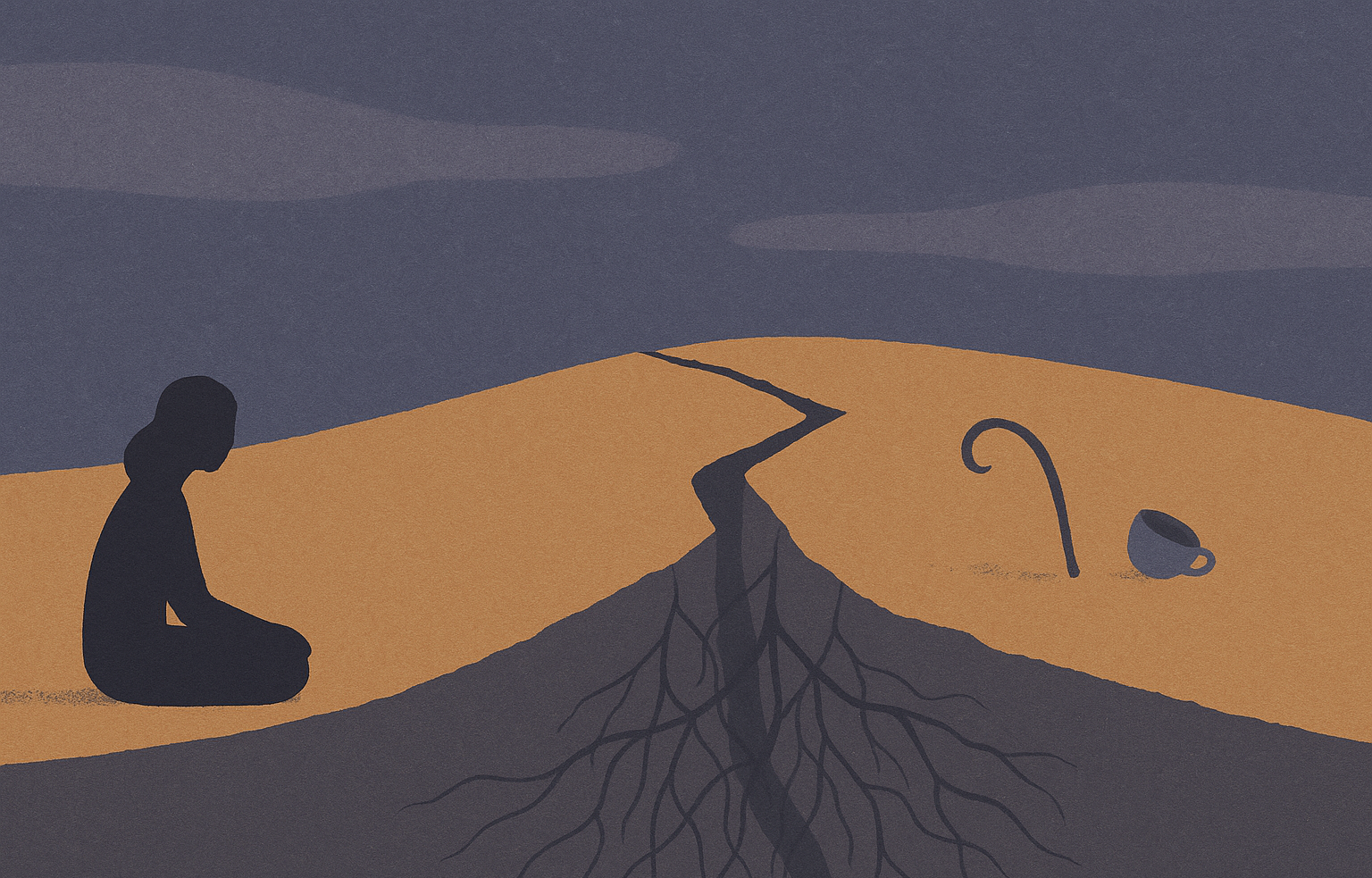
When Things Fall Apart
When Things Fall Apart argues that leaning into groundlessness, instead of scrambling for certainty, turns fear and pain into doorways to wakefulness.
When Things Fall Apart argues that leaning into groundlessness, instead of scrambling for certainty, turns fear and pain into doorways to wakefulness.
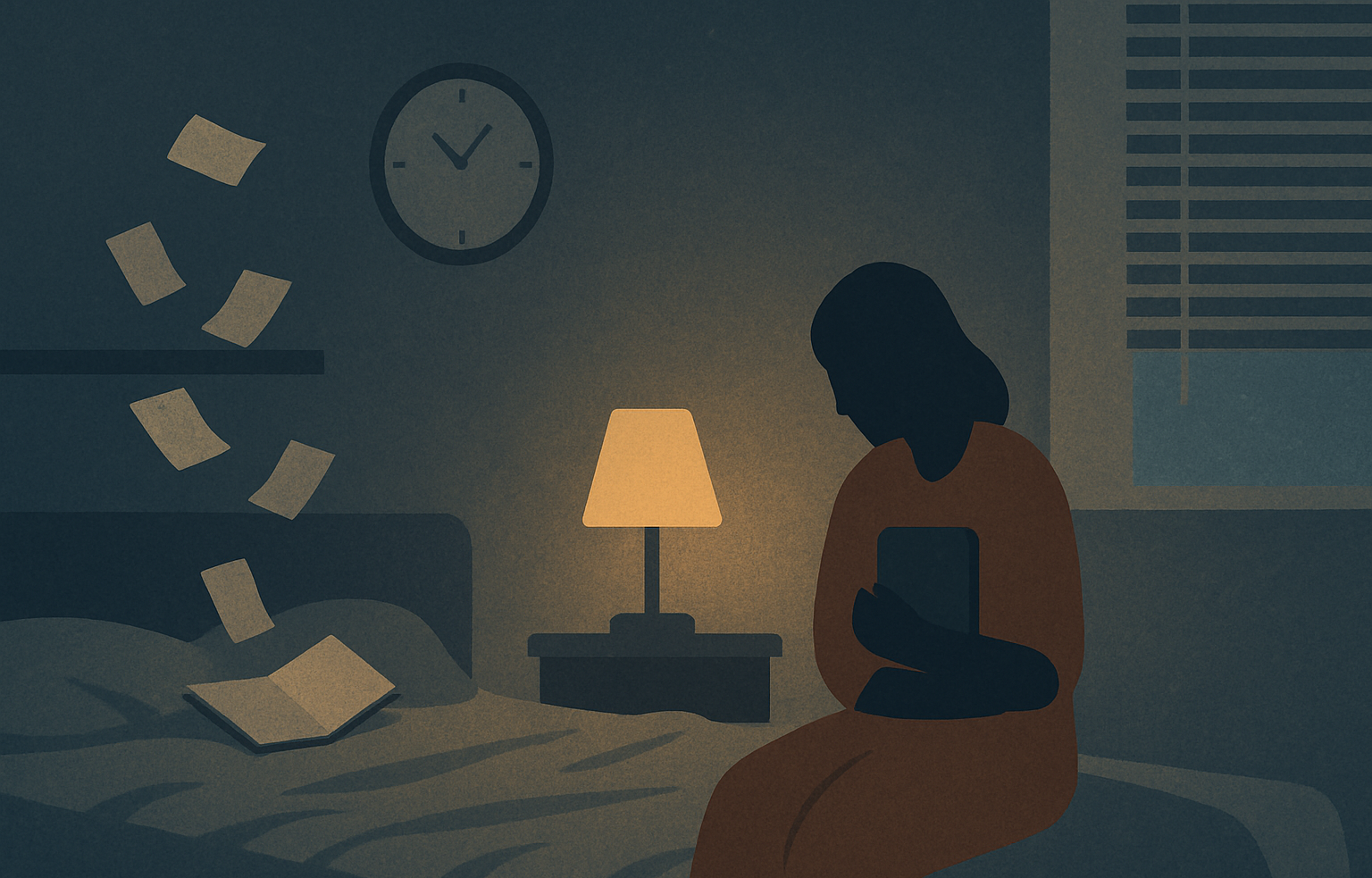
Why We Sleep argues that sleep is not optional: chronic sleep loss quietly damages immunity, mood, learning, decision-making, and longevity across your entire life.
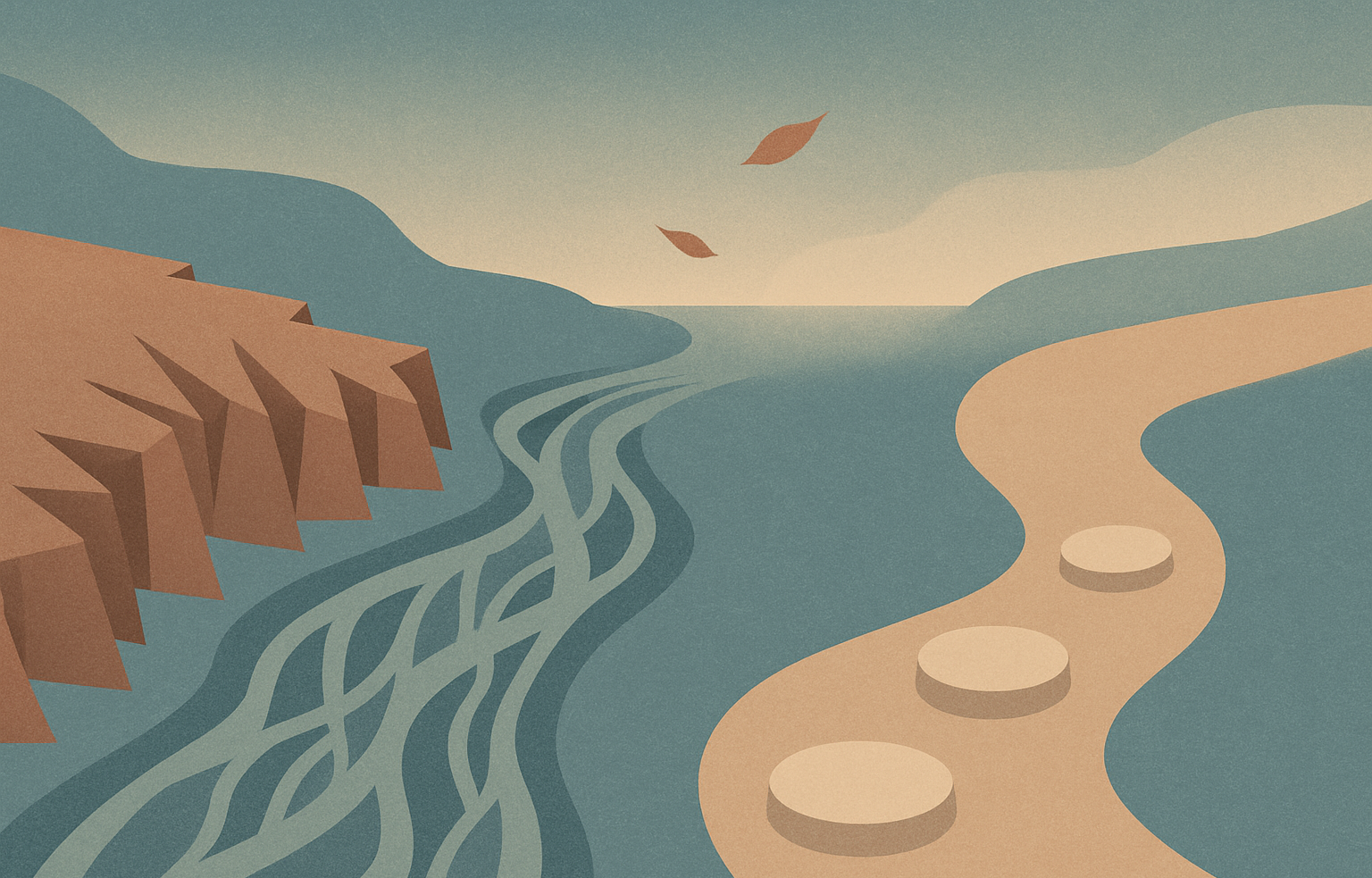
Words Can Change Your Brain argues that specific words and conversational habits measurably shift neural activity between threat circuits and the brain’s empathy and reasoning centers.
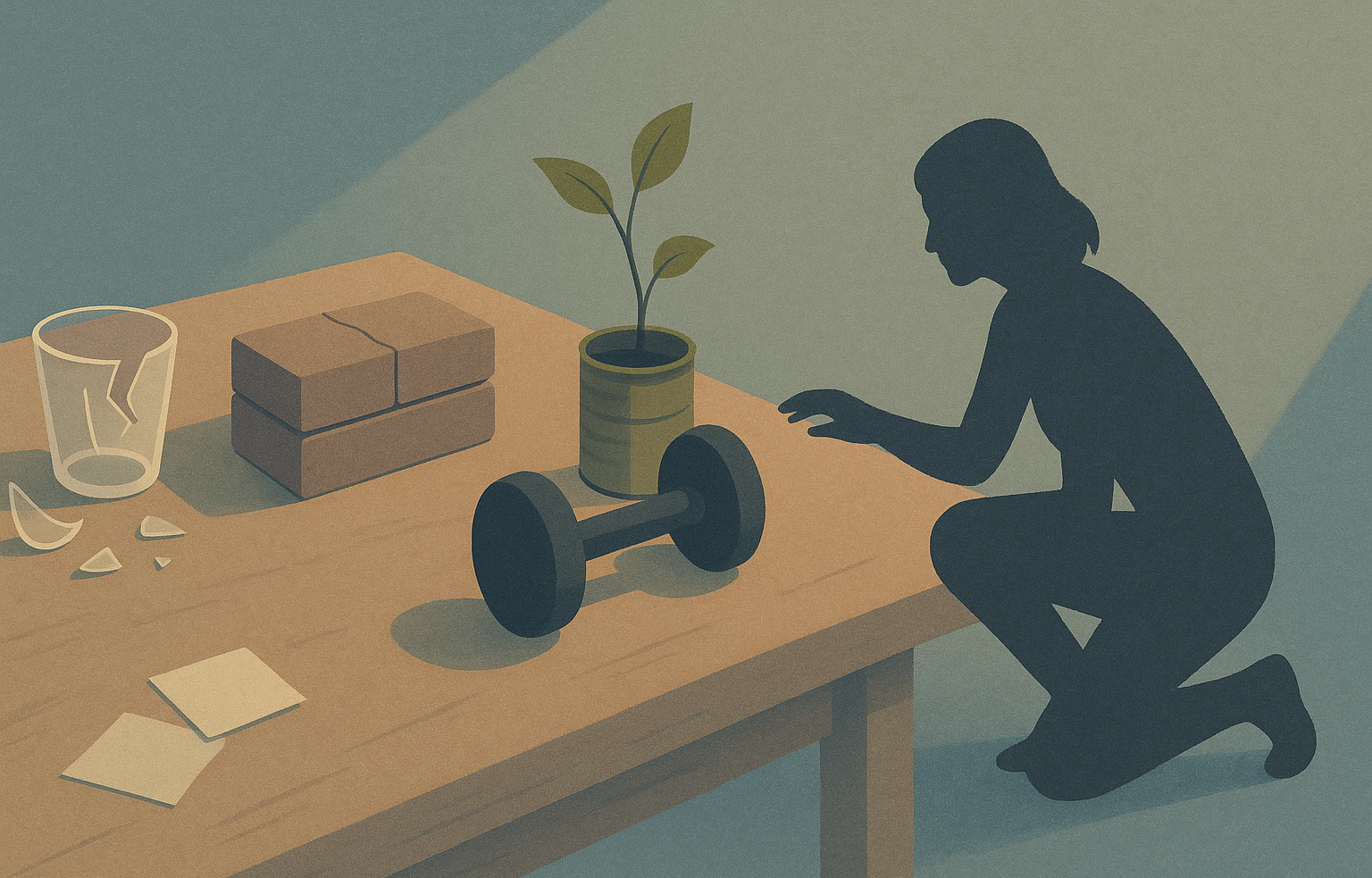
Your habits work on calm days, then fall apart when life gets messy. Anti-fragile habits not only survive chaos, they grow stronger each time they are tested.
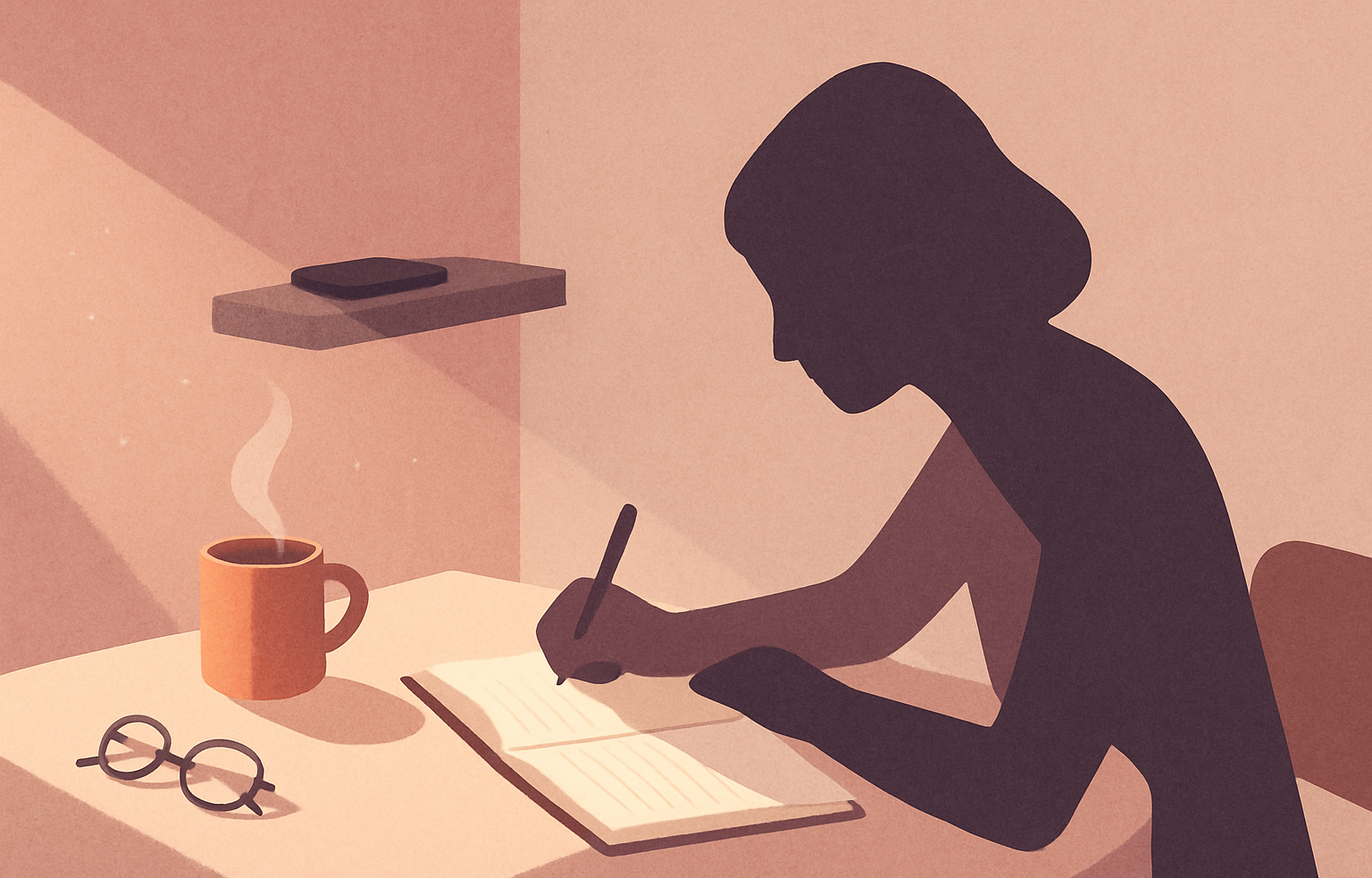
You spend most days surrounded by noise, yet feel strangely disconnected from yourself. Solitude is the quiet space that lets your mind come back into focus.
Your head is full of tiny unfinished tasks that quietly drain you. The two-minute rule clears that mental noise so you can focus on what actually matters.