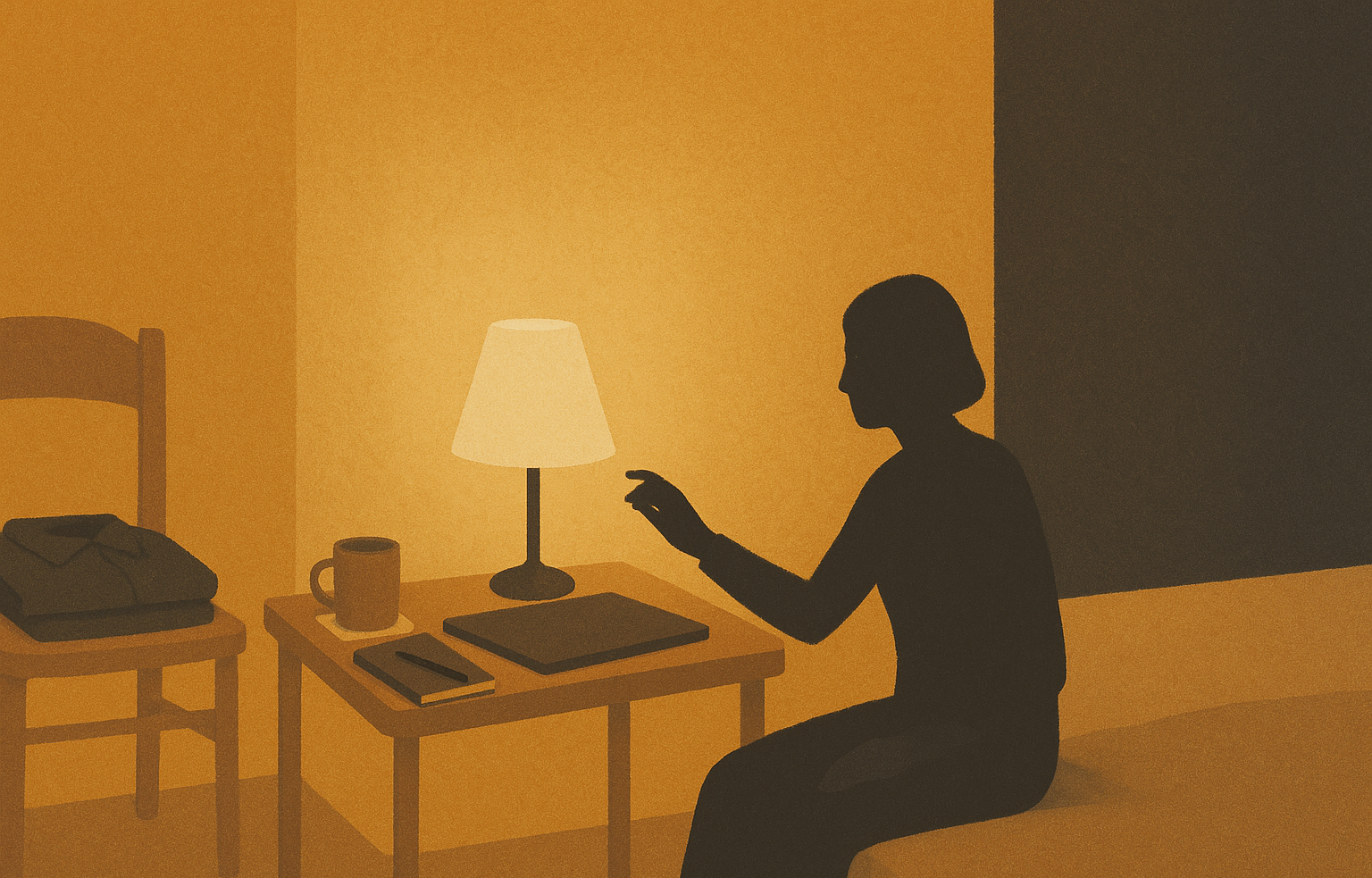
Designing Evenings for Tomorrow’s Focus
Your next day’s focus starts the night before. Small choices about closure, planning, and wind‑down decide how sharp you feel and how calmly you start.
Your next day’s focus starts the night before. Small choices about closure, planning, and wind‑down decide how sharp you feel and how calmly you start.
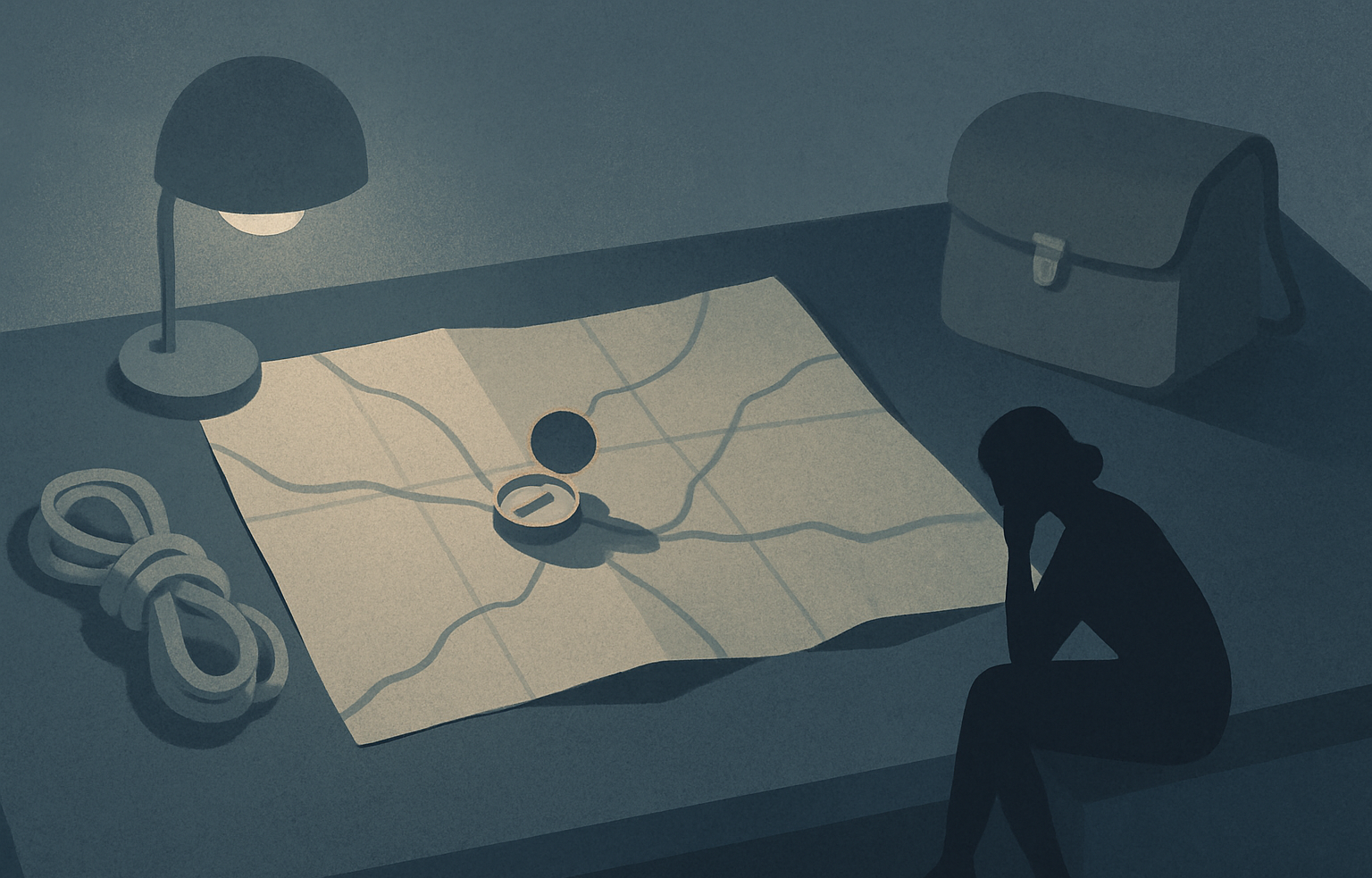
You are told never to quit, yet clinging too long can quietly drain years. Use a simple, honest framework to know when to double down and when to walk away.

Your weeks blur together until you stop and look closely. A simple thirty‑minute weekly review can become the quiet checkpoint that keeps your life on course.

You rush through books, then struggle to recall anything that changed you. Reading slowly trades volume for depth, and turns pages into practice.

Your brain clings to unfinished tasks and half-made decisions. The Zeigarnik effect explains why, and how a simple written list can finally quiet the noise.

You reach for your phone at the first hint of boredom; that empty space is where clearer thinking, unresolved feelings, and quiet decisions slowly begin to form.